
Effective Financial Reporting Solutions for Businesses
- Bianca Ellis

- Aug 19, 2025
- 4 min read
Financial reporting is the backbone of any successful business. It provides a clear picture of your company’s financial health, enabling you to make informed decisions. But how do you ensure your reports are accurate, timely, and easy to understand? The answer lies in adopting the right financial reporting tools. These tools not only simplify complex data but also help you stay compliant and transparent. Let’s explore how you can leverage these tools to transform your financial reporting process.
Why Financial Reporting Tools Matter
Financial reporting tools are designed to streamline the way businesses collect, analyze, and present financial data. Without them, preparing reports can be time-consuming and prone to errors. Have you ever struggled with spreadsheets that just don’t add up? Or spent hours trying to reconcile accounts? That’s where these tools come in.
They automate routine tasks, reduce manual errors, and provide real-time insights. For example, a cloud-based tool can pull data from multiple sources and generate consolidated reports instantly. This means you spend less time crunching numbers and more time strategizing.
Moreover, these tools support compliance with accounting standards and regulations. Whether you’re a non-profit tracking grants or a government contractor managing budgets, accurate reporting is crucial. Financial reporting tools help you maintain transparency and build trust with stakeholders.
Key benefits include:
Faster report generation
Improved accuracy
Enhanced data visualization
Better collaboration across teams
Scalability for growing businesses

Choosing the Right Financial Reporting Tools for Your Business
Selecting the right financial reporting tools depends on your business size, industry, and specific needs. Small businesses might prioritize ease of use and affordability, while larger organizations may require advanced features like multi-entity consolidation or audit trails.
Here are some factors to consider:
Integration capabilities - Can the tool connect with your existing accounting software, CRM, or ERP systems? Seamless integration saves time and reduces data entry errors.
Customization options - Look for tools that allow you to tailor reports to your audience, whether it’s internal management or external sources.
User-friendliness - A steep learning curve can slow down adoption. Choose software with an intuitive interface and good customer support.
Security features - Financial data is sensitive. Ensure the tool offers robust security measures like encryption and access controls.
Scalability - Your business will grow, and so will your reporting needs. Pick a solution that can scale with you.
By carefully evaluating these aspects, you can find a tool that fits your workflow and enhances your financial reporting process.
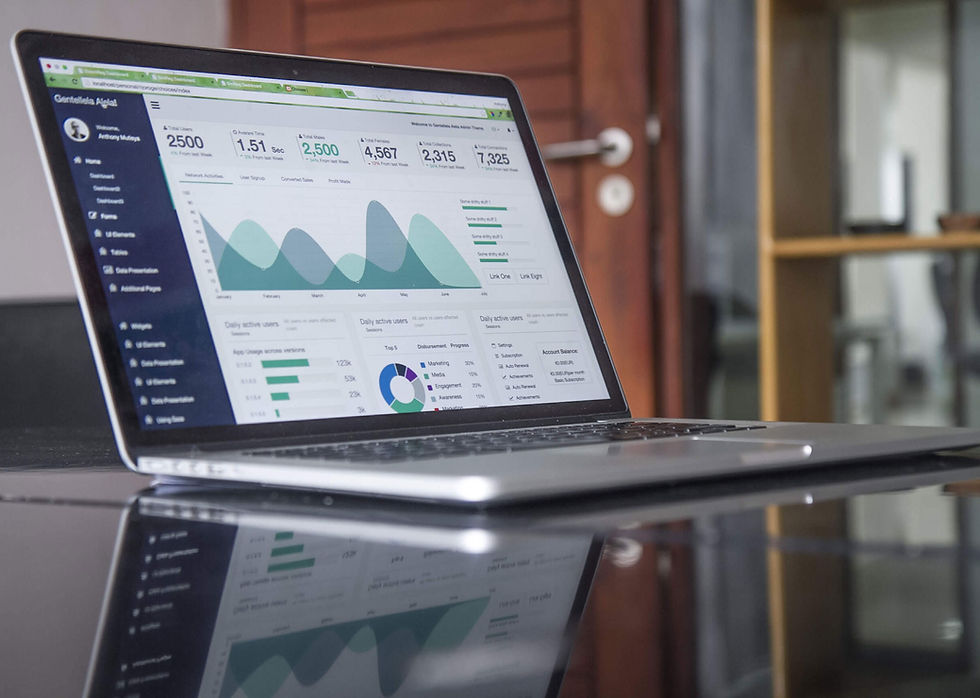
What is the Best Financial Reporting Software?
With so many options available, it’s natural to wonder which financial reporting software stands out. The best software balances functionality, ease of use, and cost-effectiveness.
Some popular choices include:
Microsoft Power BI - Known for powerful data visualization and integration with Microsoft products.
Tableau - Offers advanced analytics and interactive dashboards.
QuickBooks - Ideal for small to medium businesses with straightforward reporting needs.
SAP Analytics Cloud - Suitable for large enterprises requiring comprehensive financial planning and analysis.
Each software has its strengths, but the key is to match the tool to your business goals. For example, if you need a partner that helps you not only with software but also with expert financial guidance, financial reporting solutions like ProjAccT Workflow can be a game-changer. They offer tailored services that go beyond software, helping you make smarter decisions and achieve sustainable growth.
When evaluating software, consider requesting demos or trial periods. This hands-on experience will help you understand how the tool fits into your daily operations.

How to Implement Financial Reporting Tools Successfully
Introducing new financial reporting tools can be challenging, but a proper strategy ensures a seamless transition. Here are steps to help you with execution:
Assess your current process - Identify and document pain points and areas for improvement.
Set clear objectives - Define what you want to achieve with the new tool (e.g., faster reporting, better accuracy).
Involve key stakeholders - Engage finance teams, IT, and management early to gather input and ensure buy-in.
Choose the right tool - Based on your assessment and objectives.
Plan the rollout - Develop a timeline, assign responsibilities, and prepare training materials.
Train your team - Provide comprehensive training to ensure everyone is comfortable using the tool.
Monitor and adjust - Collect feedback and make necessary adjustments to optimize usage.
Remember, successful implementation is not just about technology but also about people and processes. Clear communication and ongoing support are essential.
Maximizing the Benefits of Financial Reporting Tools
Once your financial reporting tools are in place, how do you get the most out of them? Here are some practical tips:
Automate routine reports - Set up scheduled reports to save time and ensure consistency.
Leverage data visualization - Use charts and graphs to make complex data easier to understand.
Collaborate in real-time - Many tools offer cloud-based platforms that allow multiple users to work together seamlessly.
Regularly review and update - Keep your reporting templates and data sources current to maintain accuracy.
Use insights for strategic decisions - Don’t just report numbers; analyze trends and identify opportunities for growth.
By actively using your financial reporting tools, you can transform raw data into actionable insights that drive your business forward.
Financial reporting is more than just a compliance requirement - it’s a strategic asset. With the right financial reporting tools, you can simplify your processes, improve accuracy, and gain valuable insights. Whether you’re managing a small non-profit or a large government contract, investing in effective solutions will help you thrive in today’s competitive landscape. Ready to take your financial reporting to the next level? Explore how financial reporting solutions can support your journey toward smarter, more efficient financial management.
"This article was generated with the assistance of WIX AI and reviewed and edited by a human editor."


Comments